Wildlife Conservation and Management
This program works to conserve Puerto Rico’s native and endemic species through scientific research, population monitoring, and actions aimed at reducing the primary threats they face.
Yellow-shouldered Blackbird Conservation Project
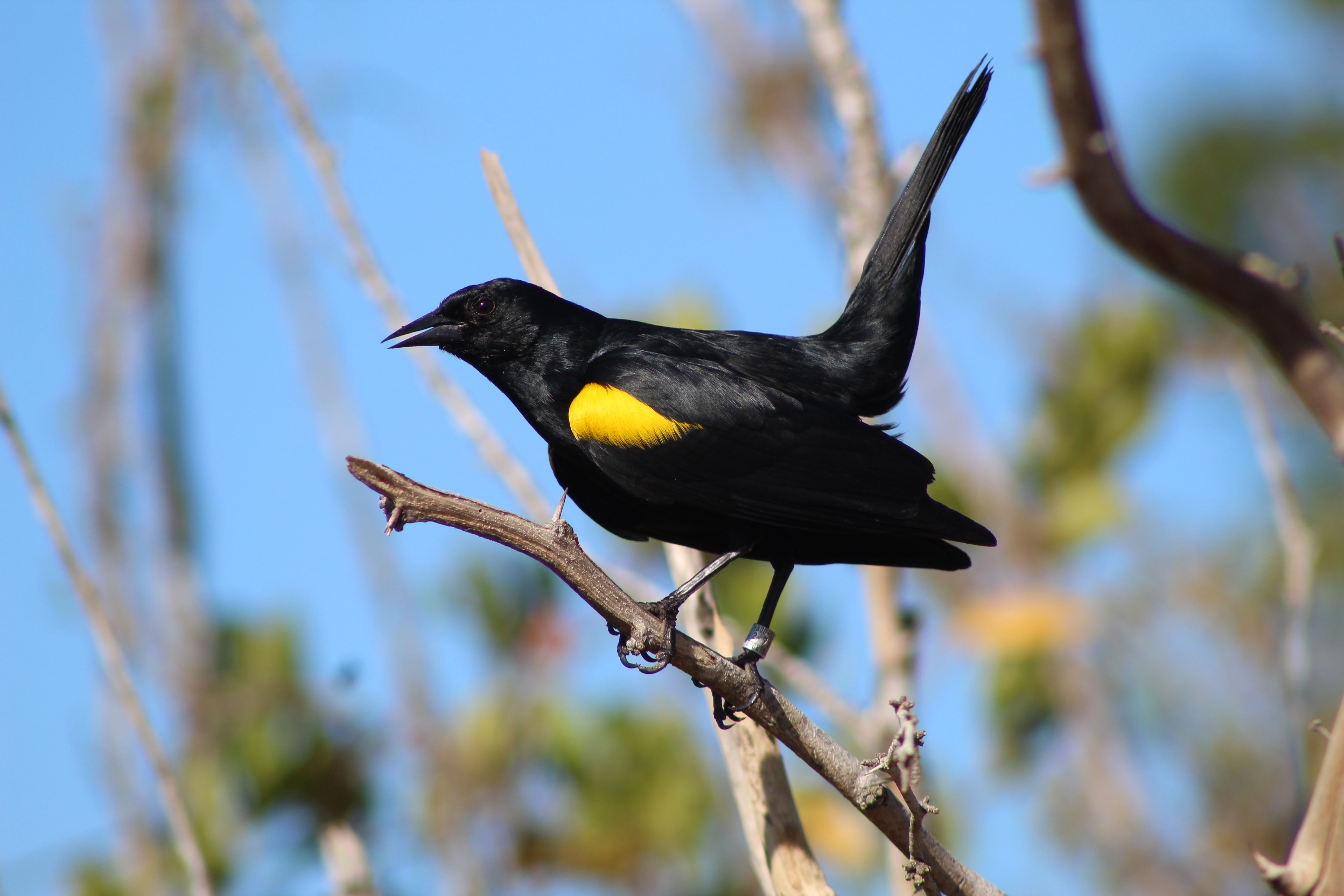
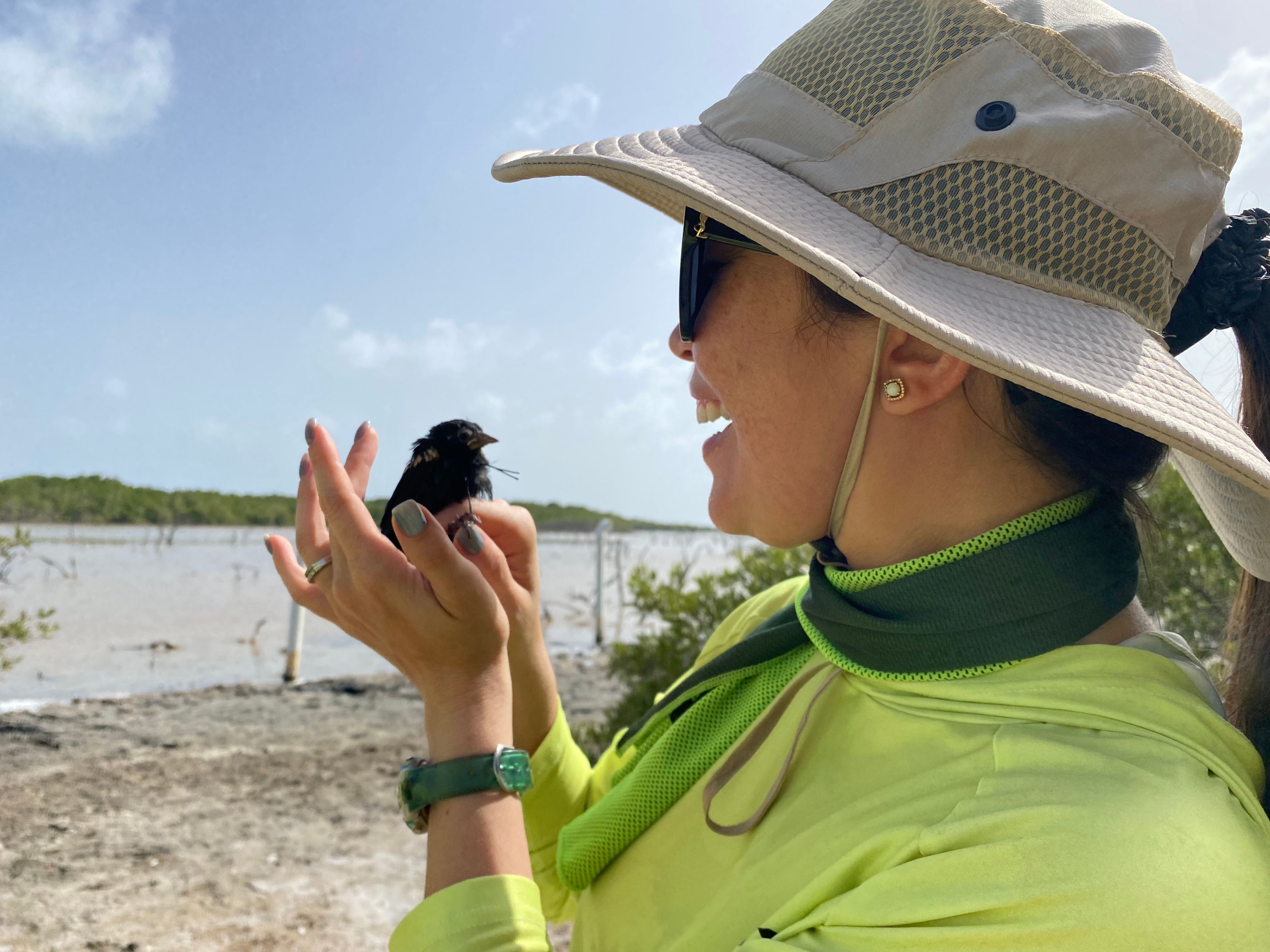
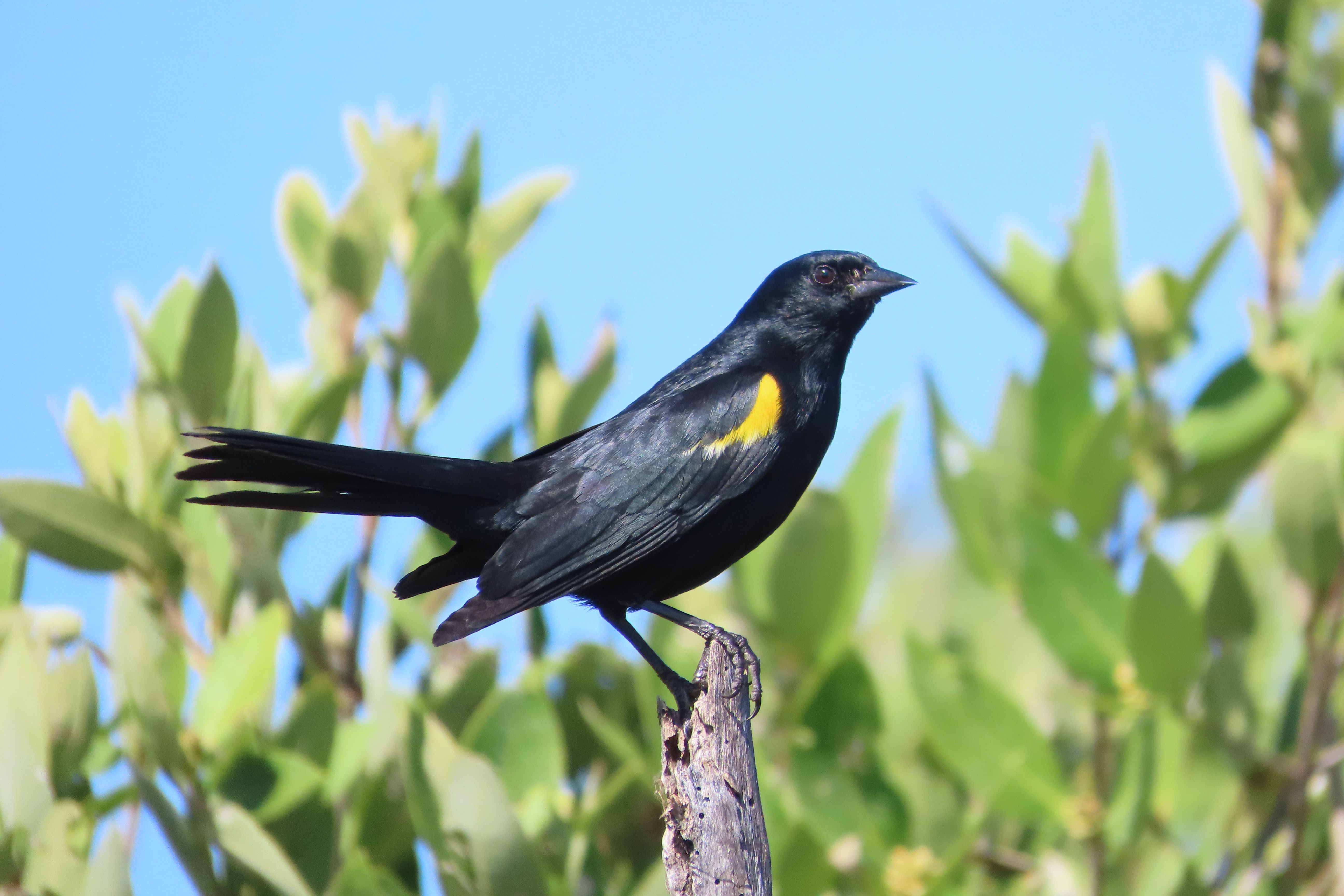
One of this program’s primary efforts is the conservation of the Yellow-shouldered Blackbird (Agelaius xanthomus) through the following actions:
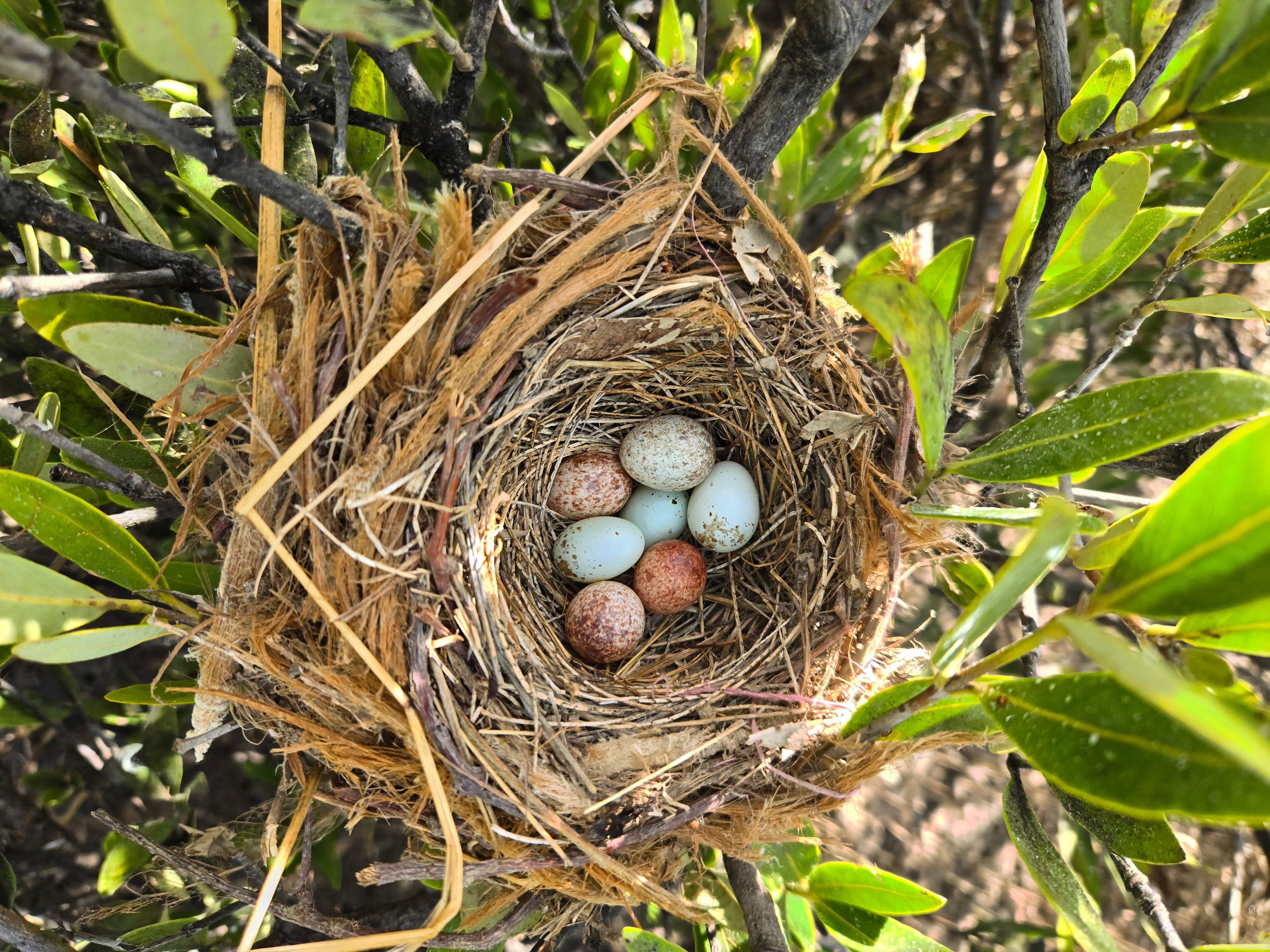
Yellow-shouldered Blackbird nest monitoring: We identify and conduct nest inventories in southwestern Puerto Rico to document reproductive success.
Brood parasitism control: We identify and remove Shiny Cowbird (Molothrus bonariensis) eggs, thereby increasing the survival of Yellow-shouldered Blackbird chicks. We also capture adult cowbirds to control their population in southwestern Puerto Rico.
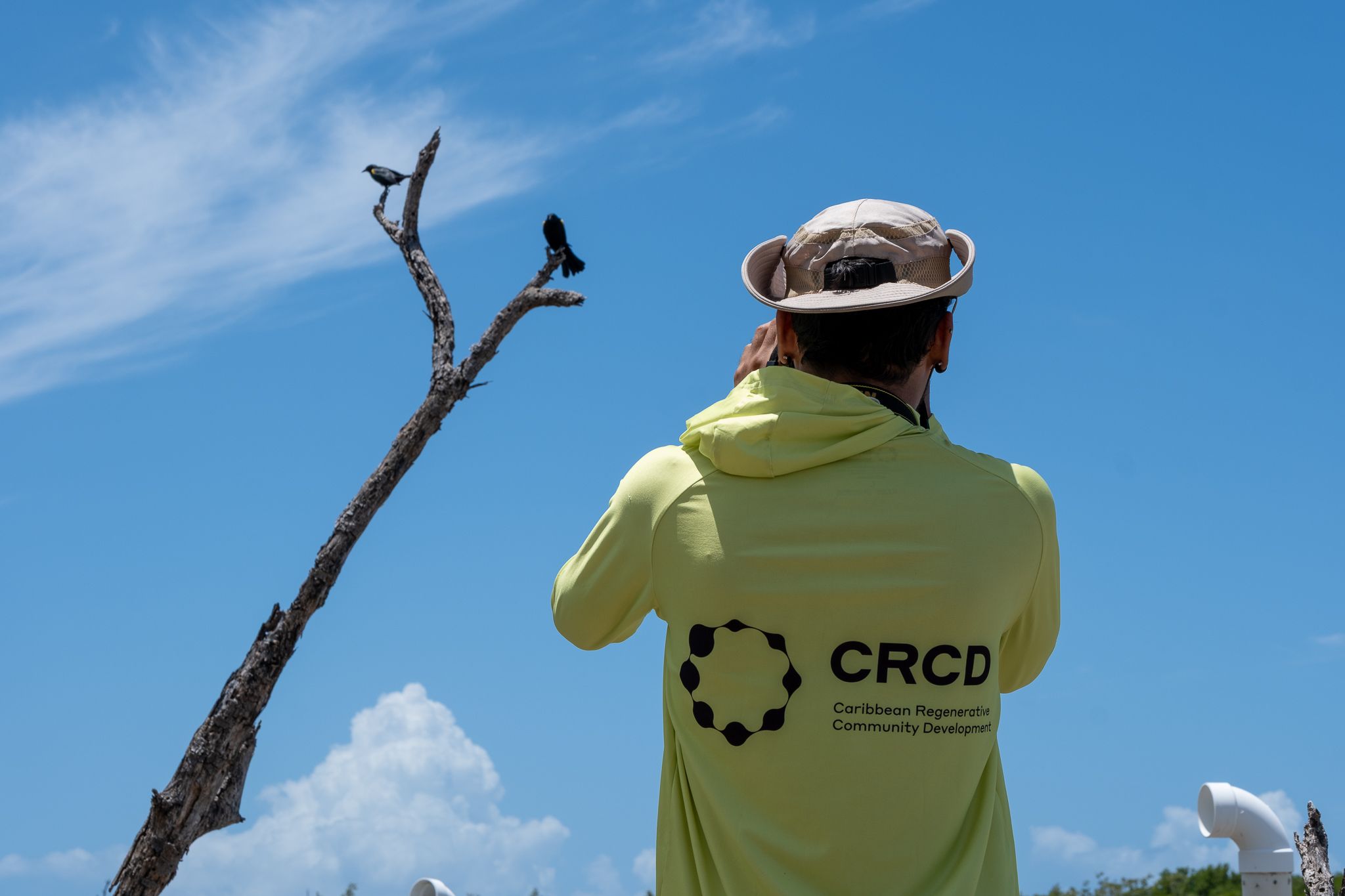
Population surveys: We conduct standardized counts across all Yellow-shouldered Blackbird populations on the main island of Puerto Rico, allowing us to determine fluctuations in population size.
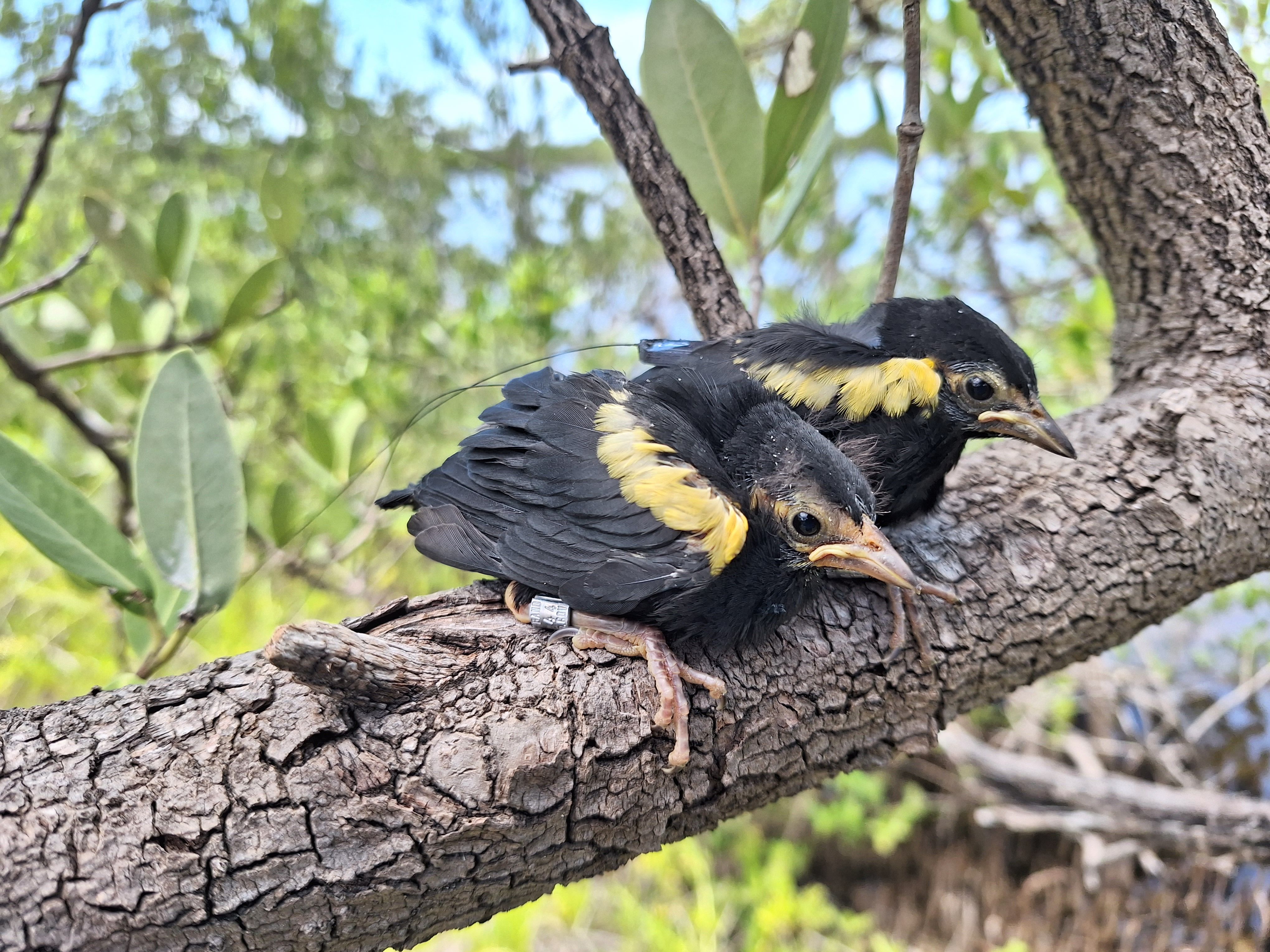
Survival and habitat-use studies: We use radio telemetry techniques to estimate survival and movement patterns among juveniles and adults. This allows us to identify threats, critical nesting and foraging areas, and movement corridors.
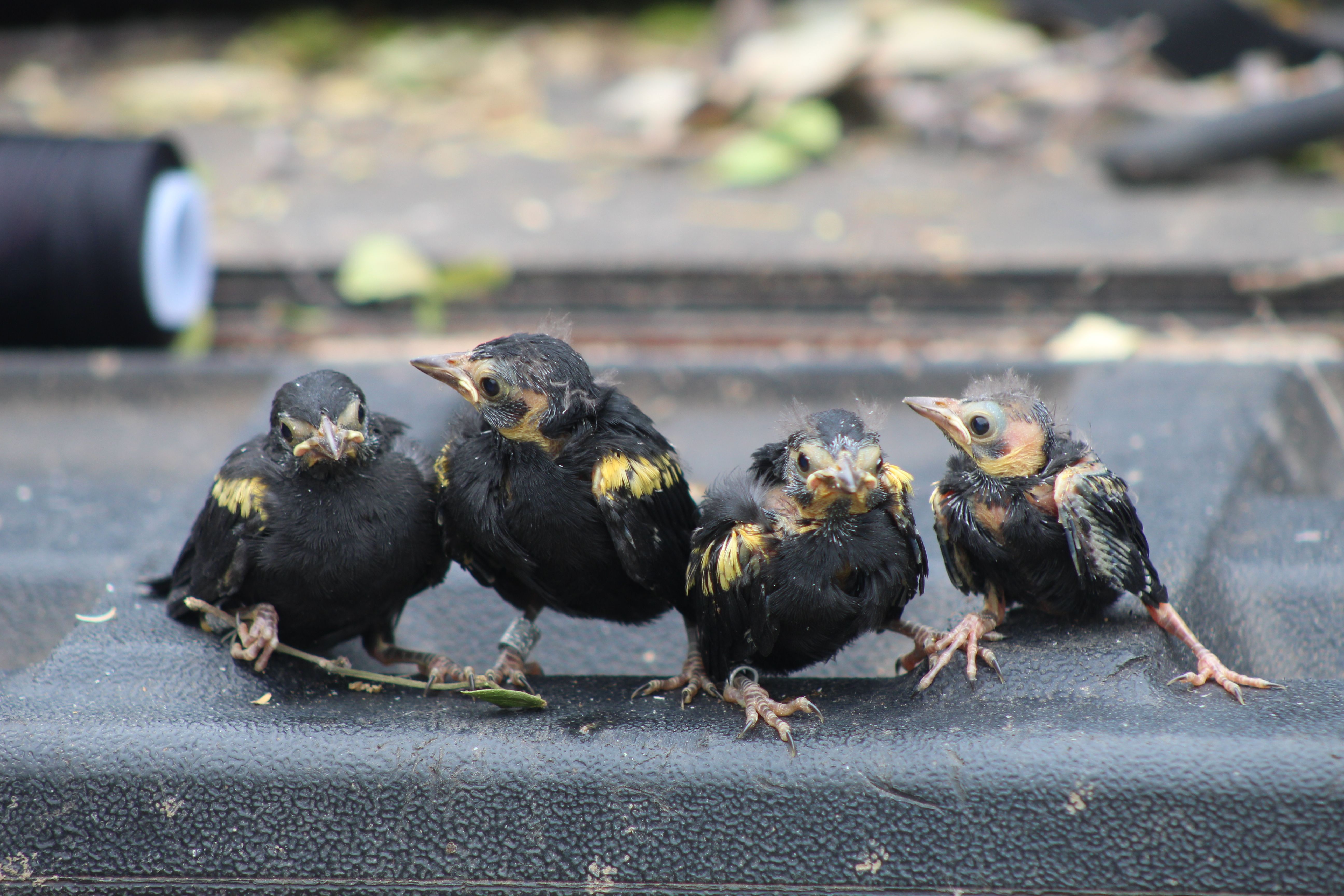
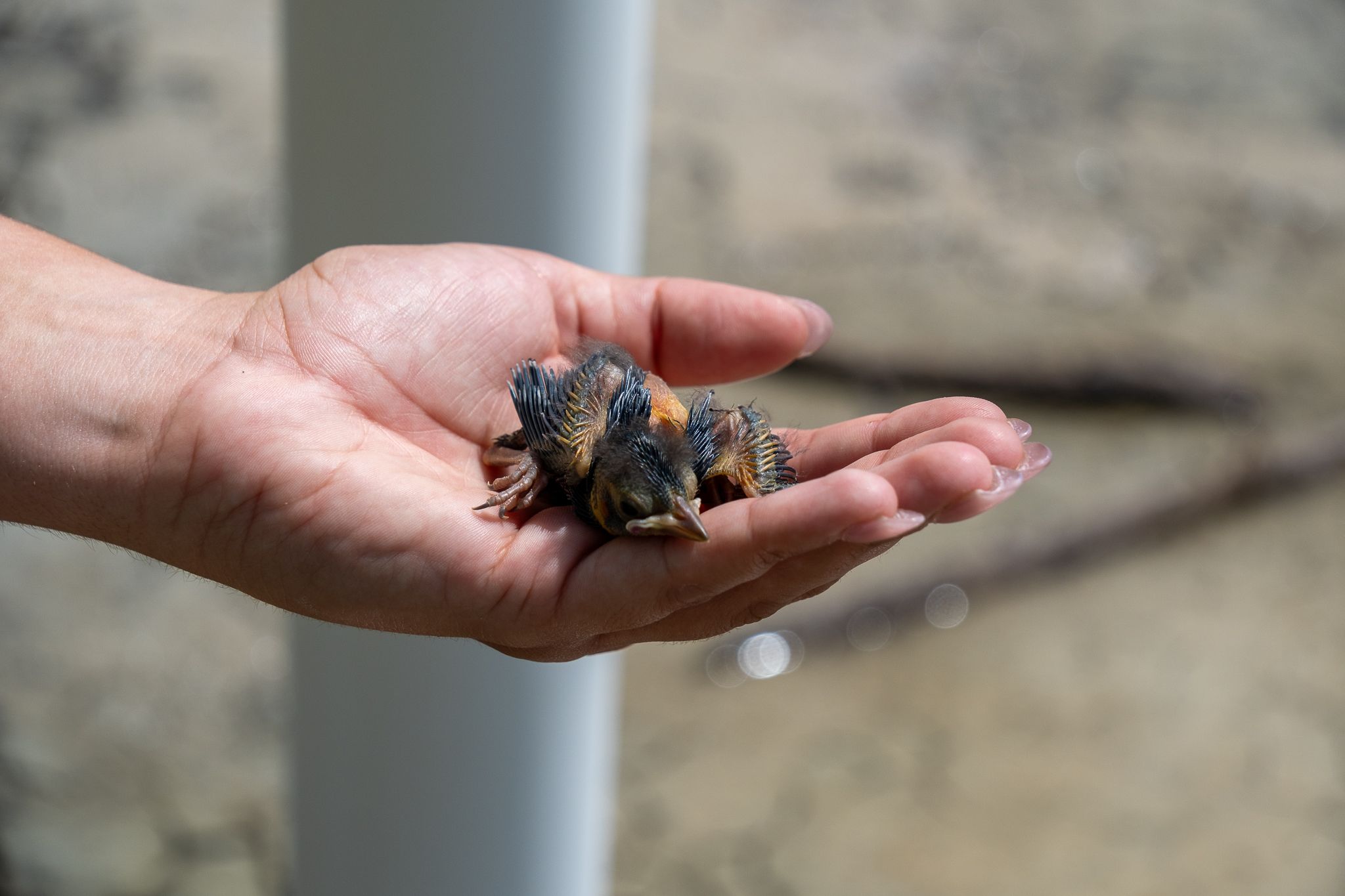
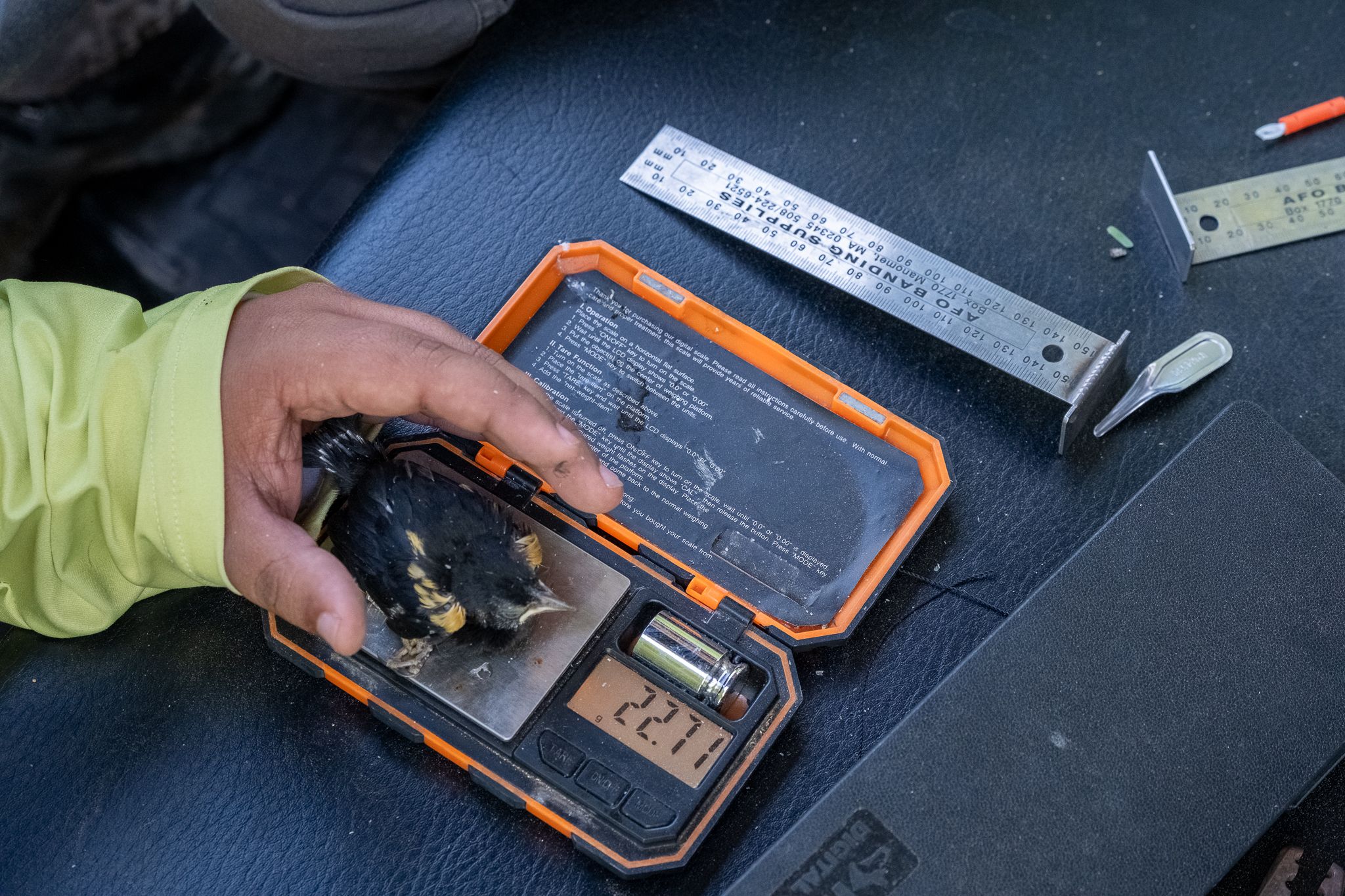
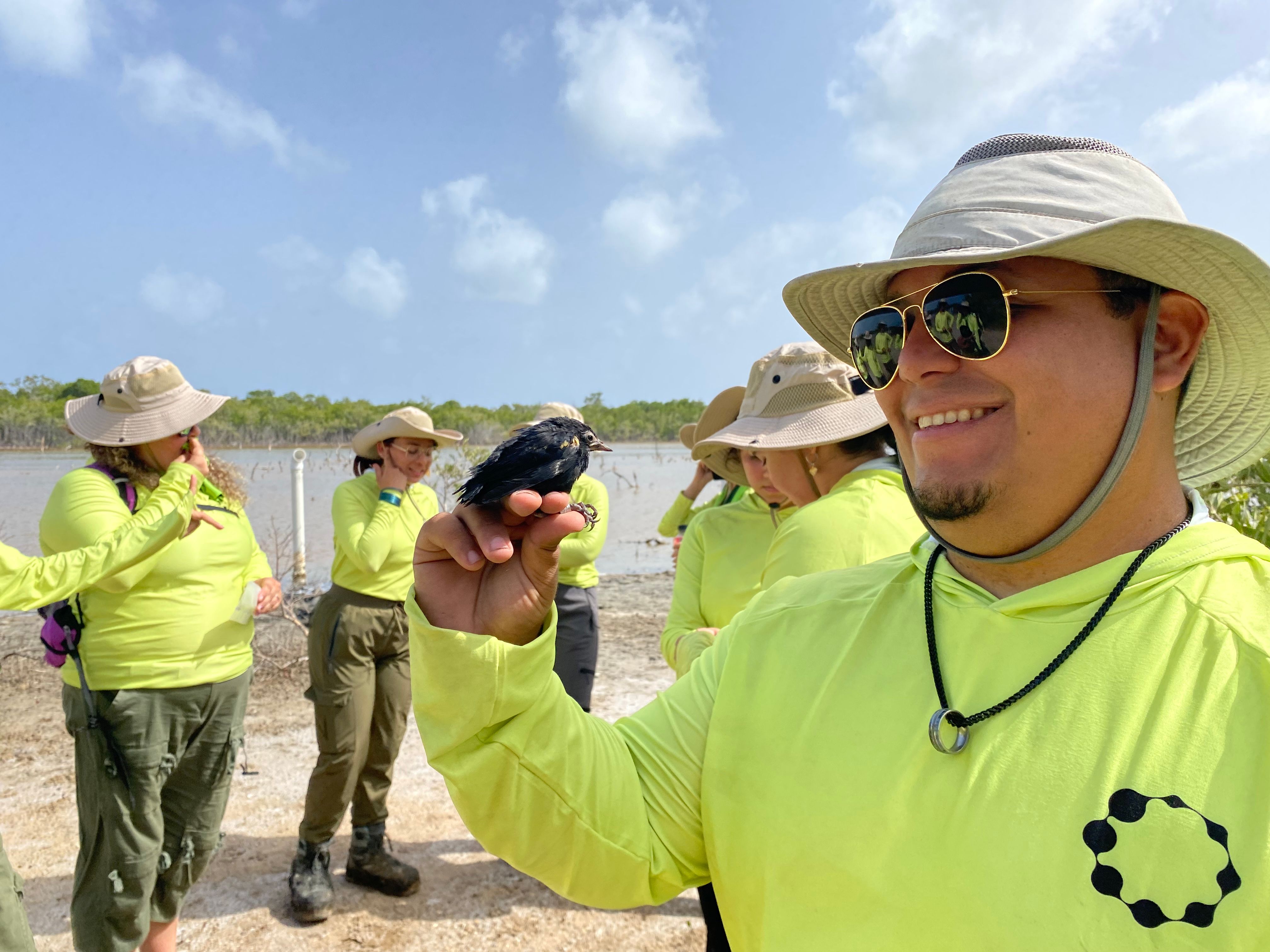
Head-start program: We rescue chicks with a high probability of mortality in the nest and provide them with specialized care until they can be released back into the wild. Through this program, we seek to increase recruitment and population size among Yellow-shouldered Blackbirds in southwestern Puerto Rico and, over the long term, evaluate the possibility of supplementing other populations.
Training future scientists and promoting community engagement: We train students and volunteers in monitoring, wildlife handling, data analysis, and conservation practices, fostering community commitment to the protection of our wildlife.
Context
In the late nineteenth century, the Yellow-shouldered Blackbird could be observed throughout the archipelago and was more common in low-lying and coastal areas of the island (Wetmore, 1927). However, extensive habitat loss caused by the conversion of mangroves and lowlands into sugarcane fields, land for other agricultural uses, and urban development drastically reduced its breeding and foraging areas (Post & Wiley, 1976). In addition, brood parasitism by the Shiny Cowbird, which became established in Puerto Rico during the 1950s, eventually affected between 70 and 80 percent of Yellow-shouldered Blackbird nests, further reducing the species’ reproductive success (Post & Wiley, 1976).
In response, the Puerto Rico Department of Natural and Environmental Resources (DNER) and the U.S. Fish and Wildlife Service (USFWS) installed artificial nesting structures in southwestern Puerto Rico in 1976 to counter brood parasitism. This strategy proved highly effective in improving the Yellow-shouldered Blackbird’s reproductive success, but continued habitat loss keeps the species endangered (González-Crespo, 2026).
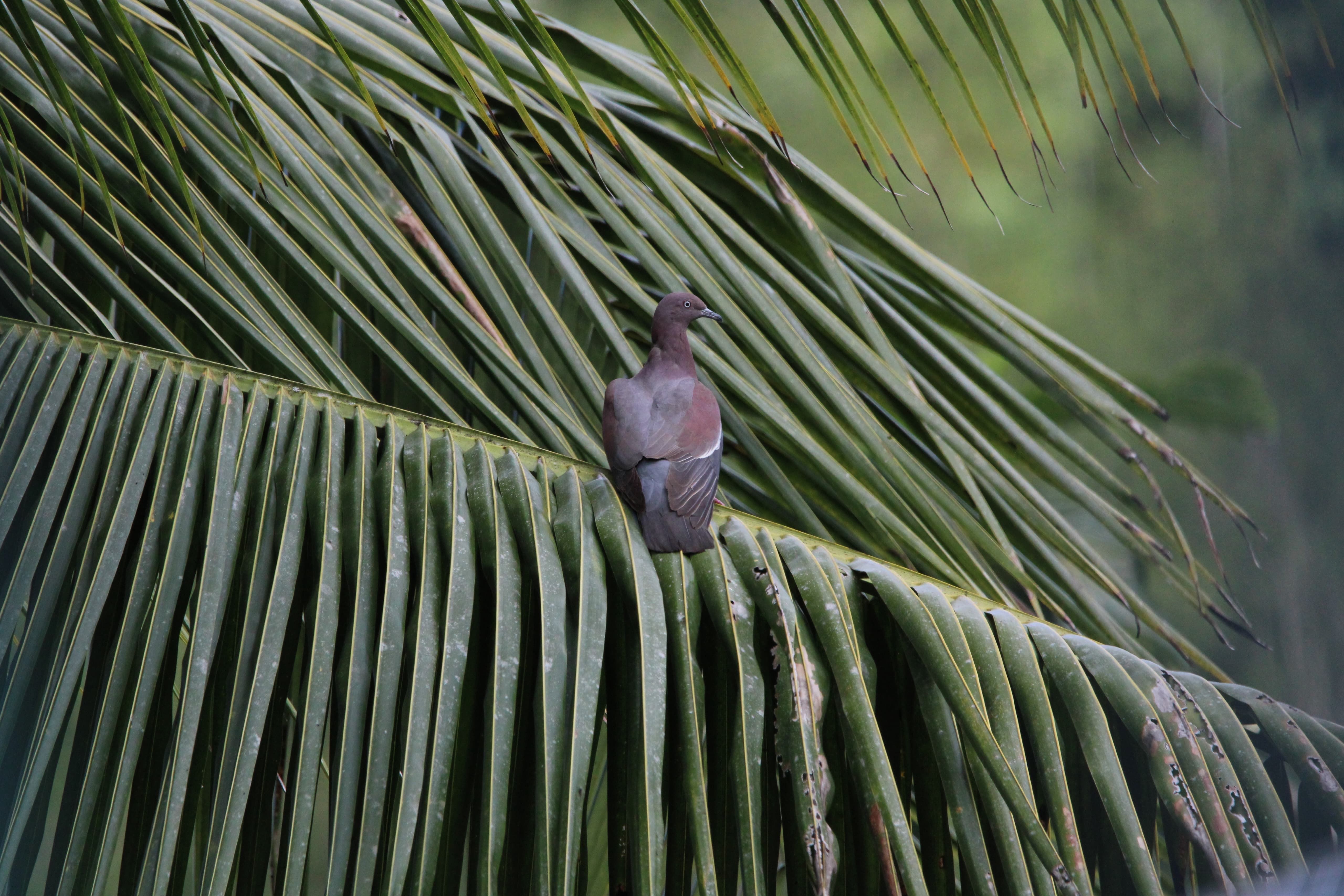
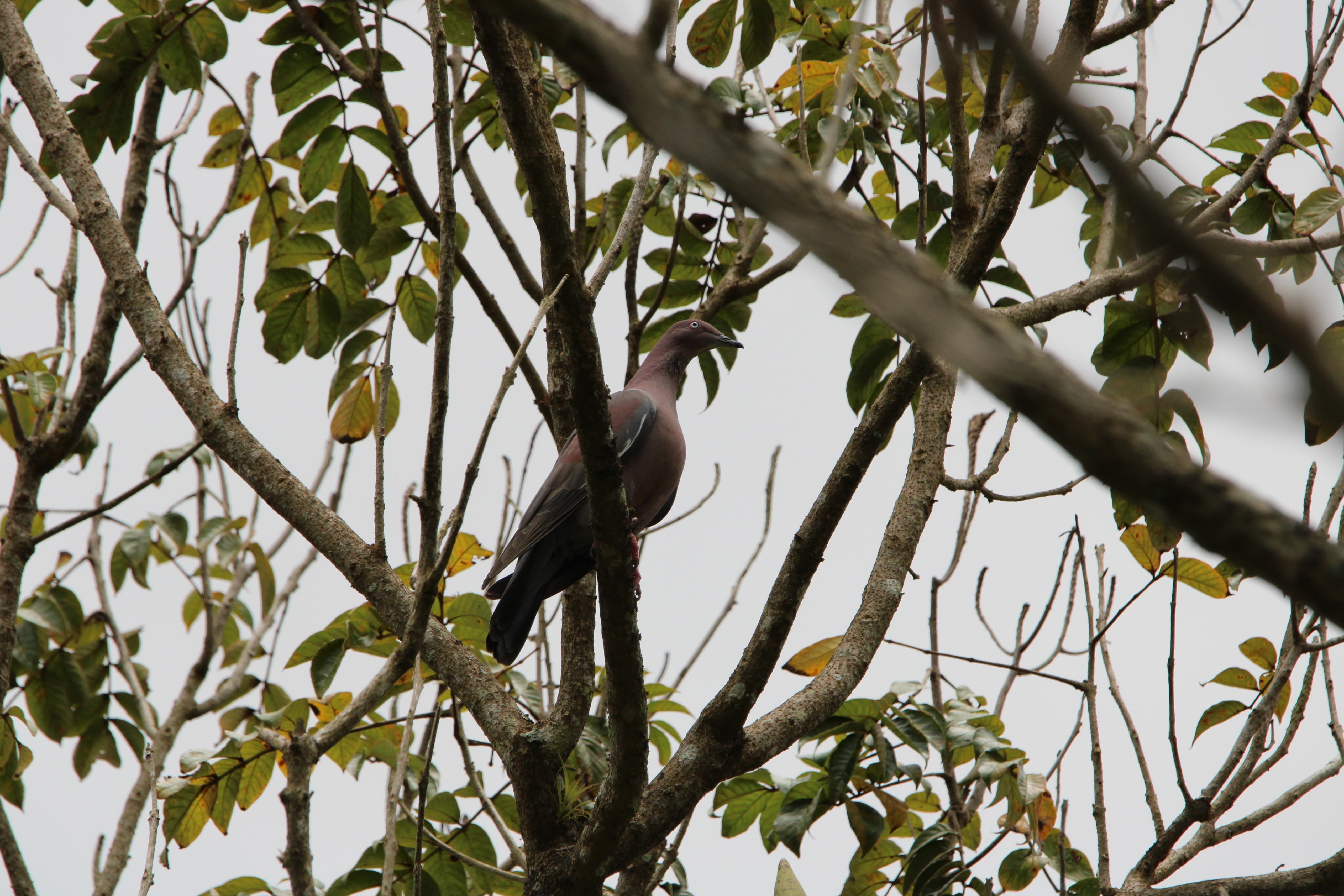
Puerto Rican Plain Pigeon Conservation Project
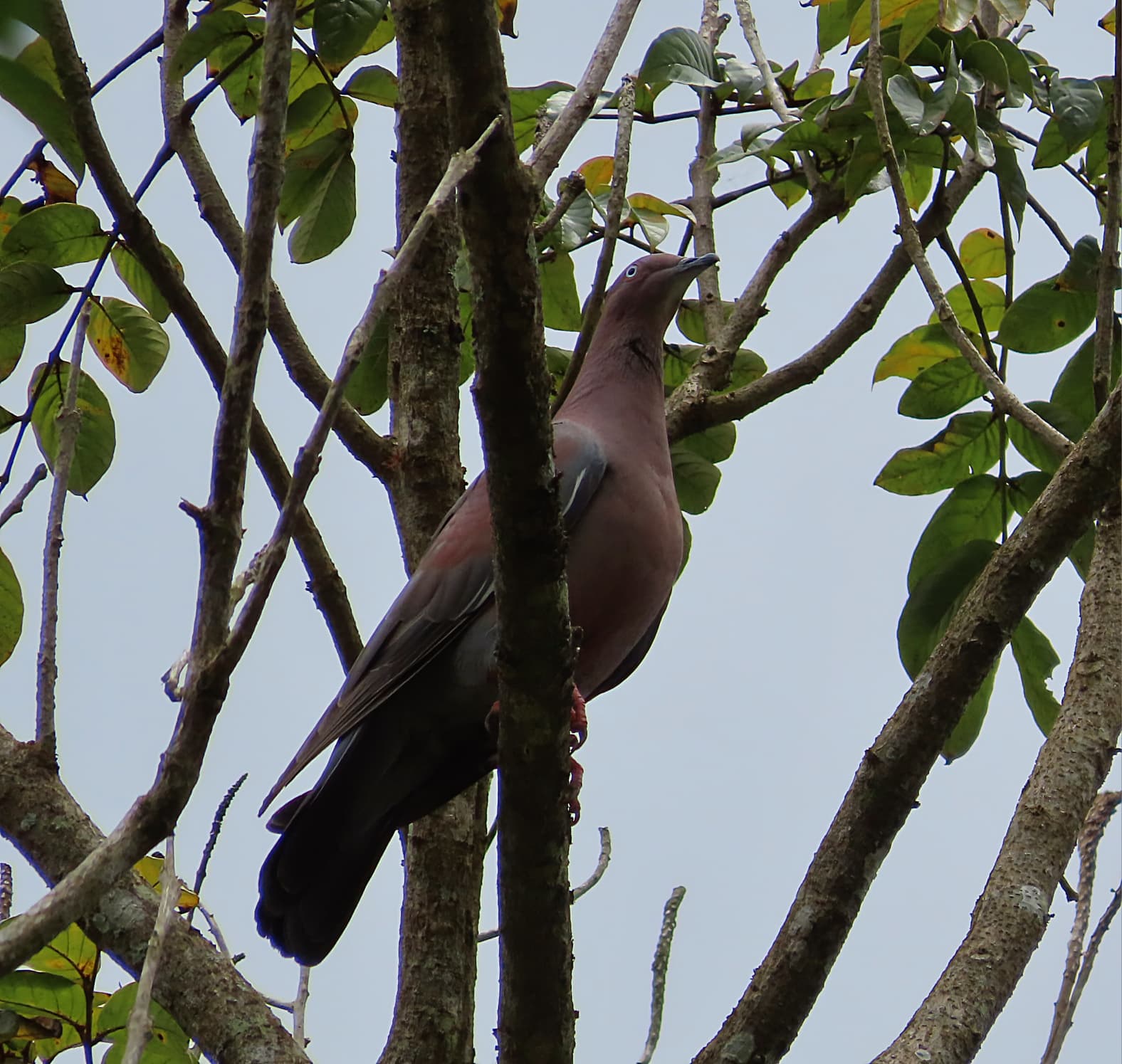
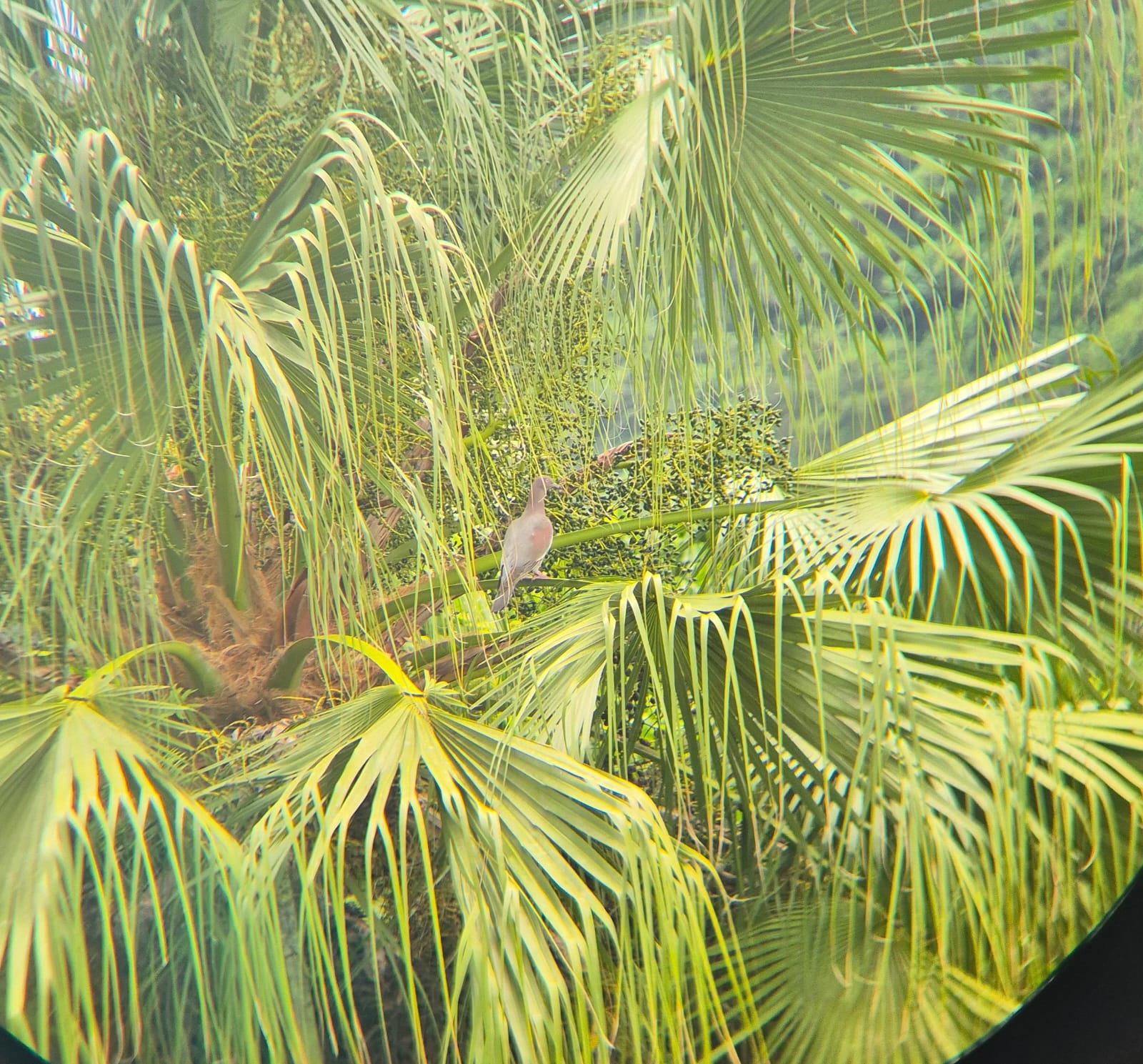
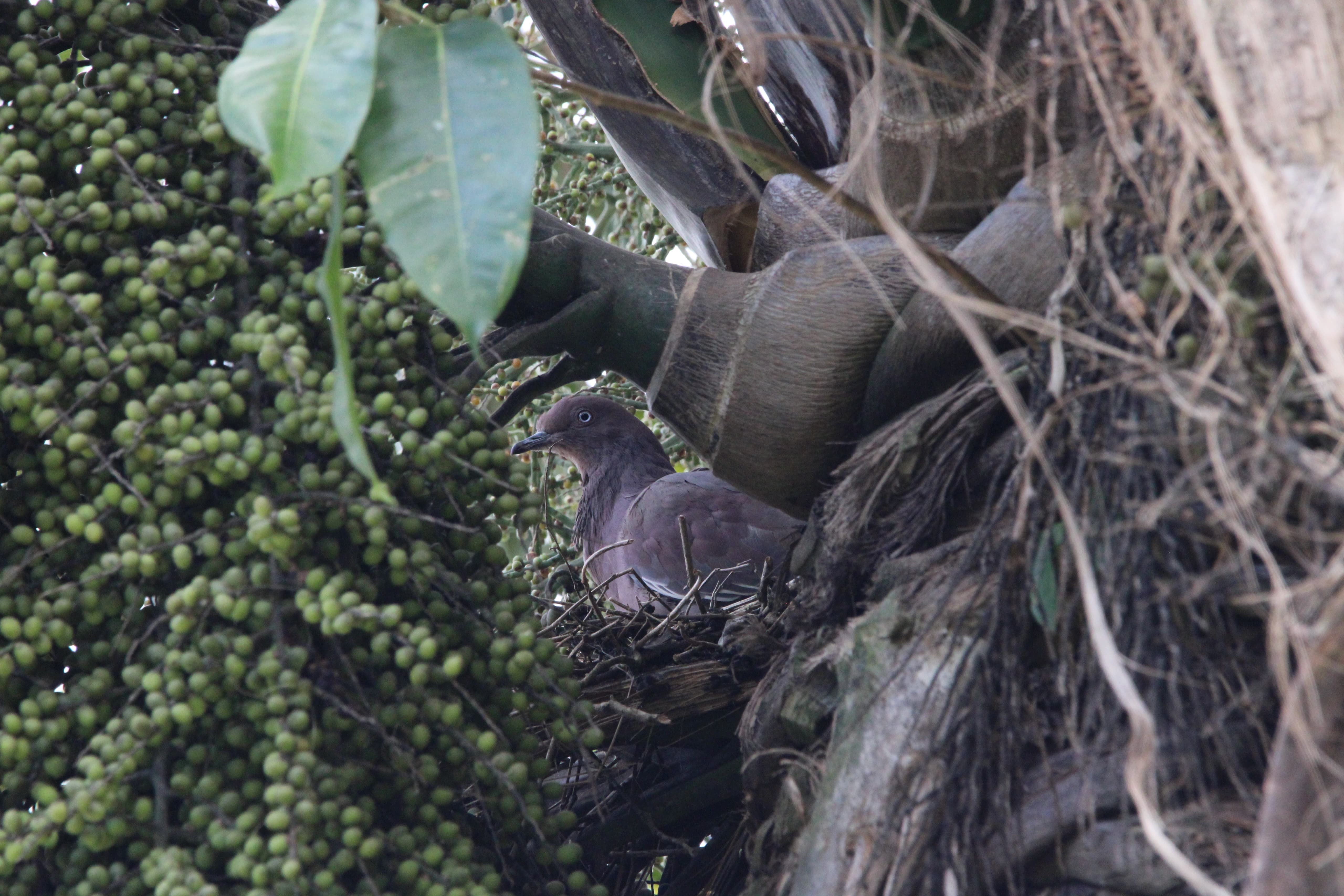
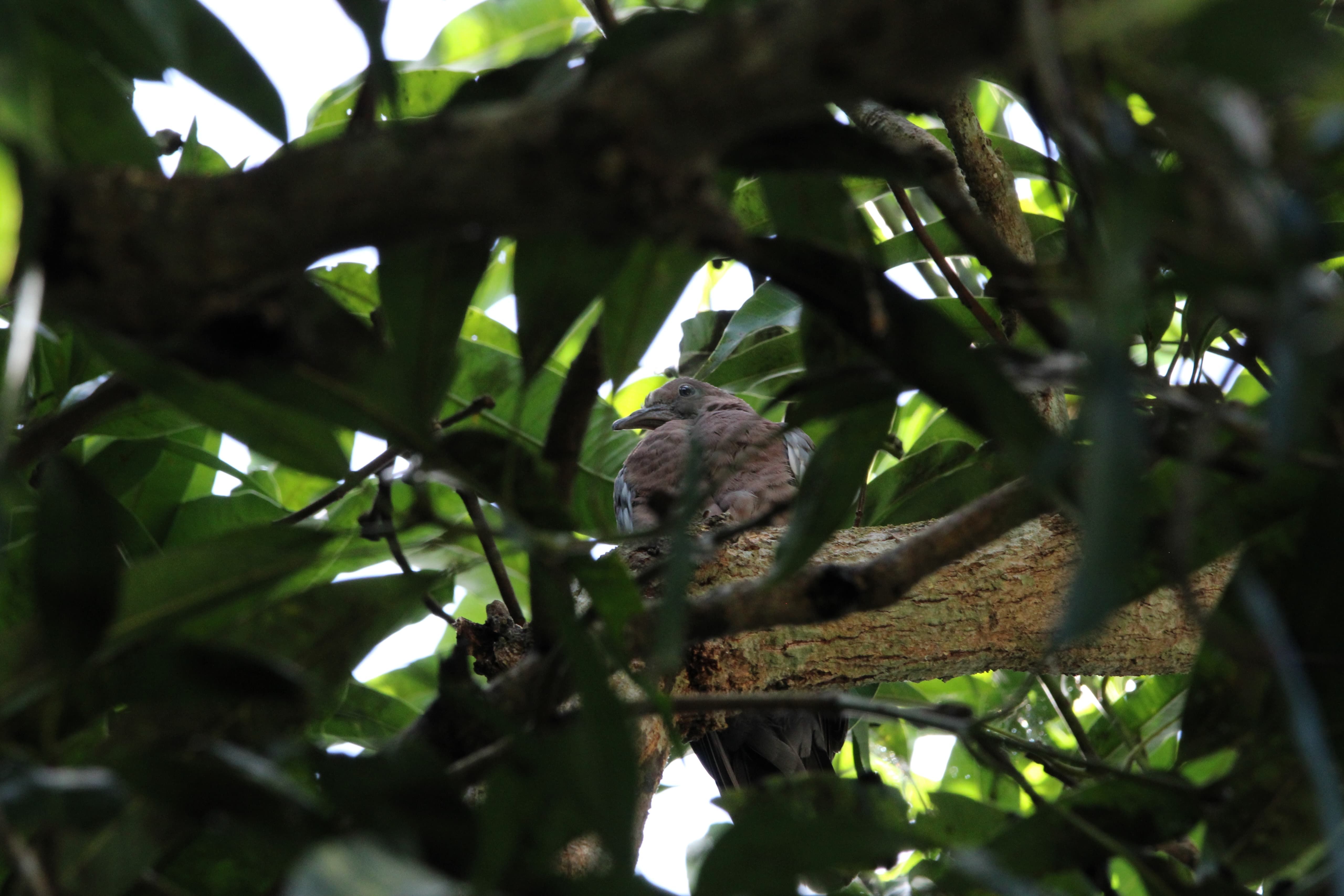
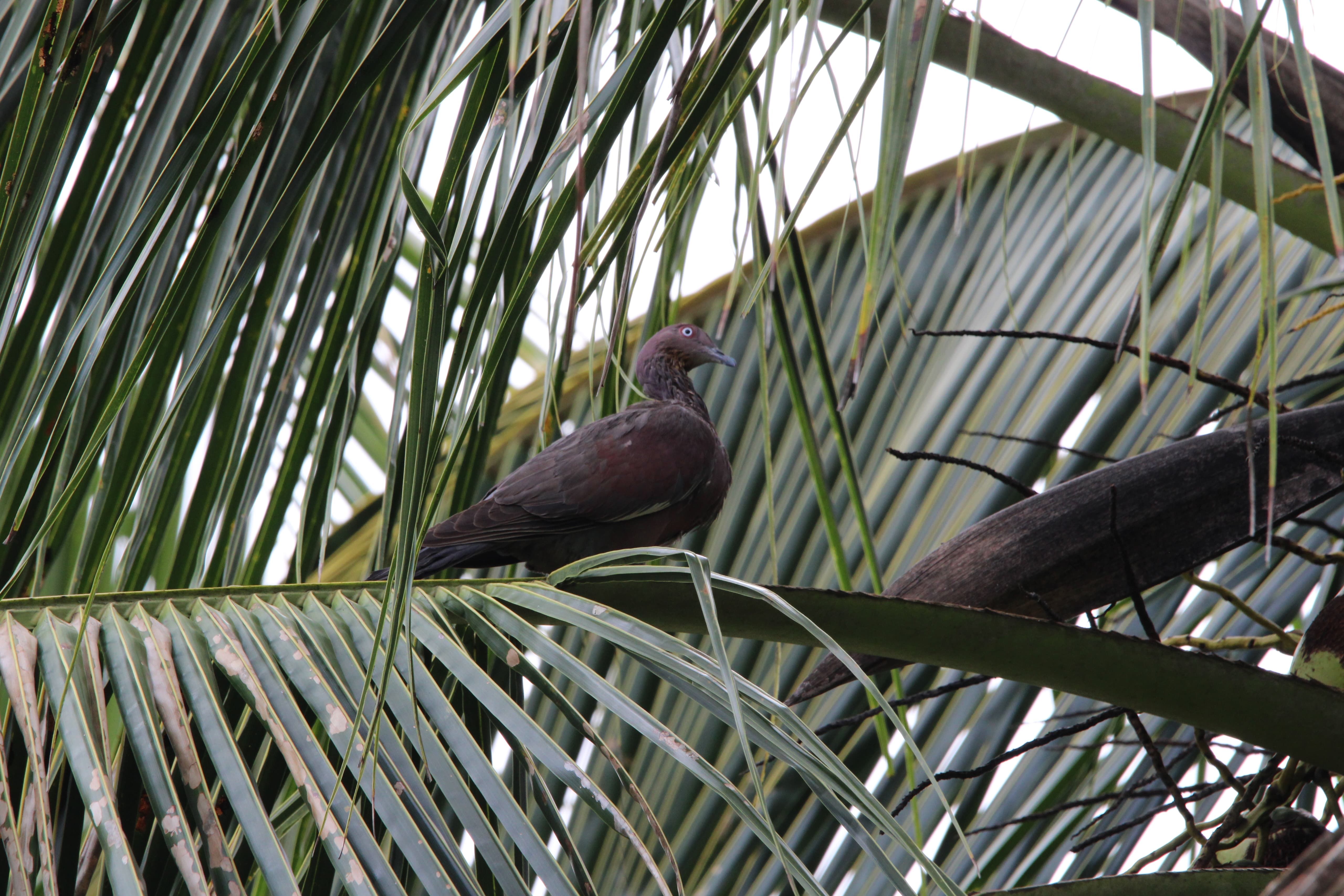
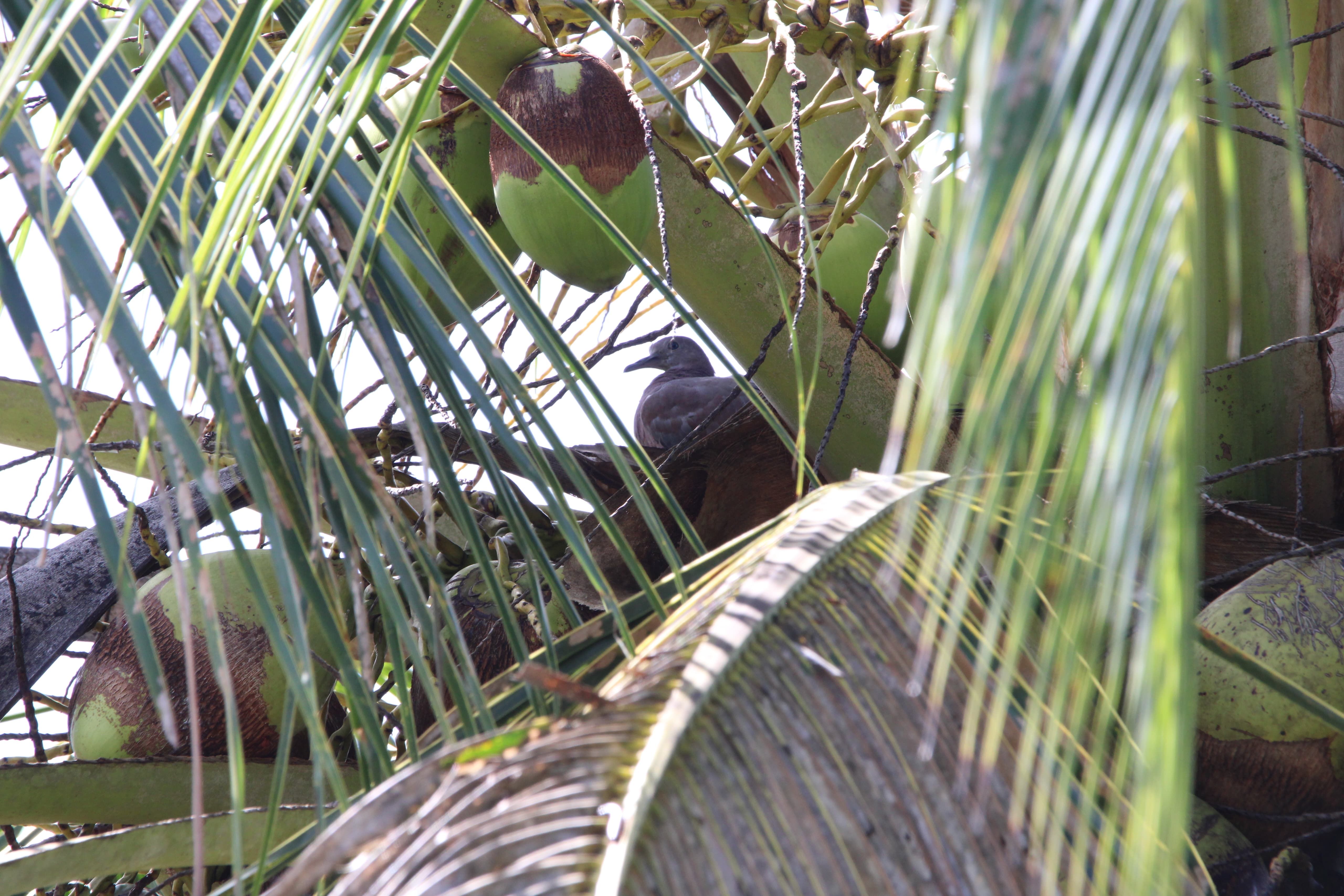
This program also works to conserve the Puerto Rican Plain Pigeon (Patagioenas inornata wetmorei) through the following actions:
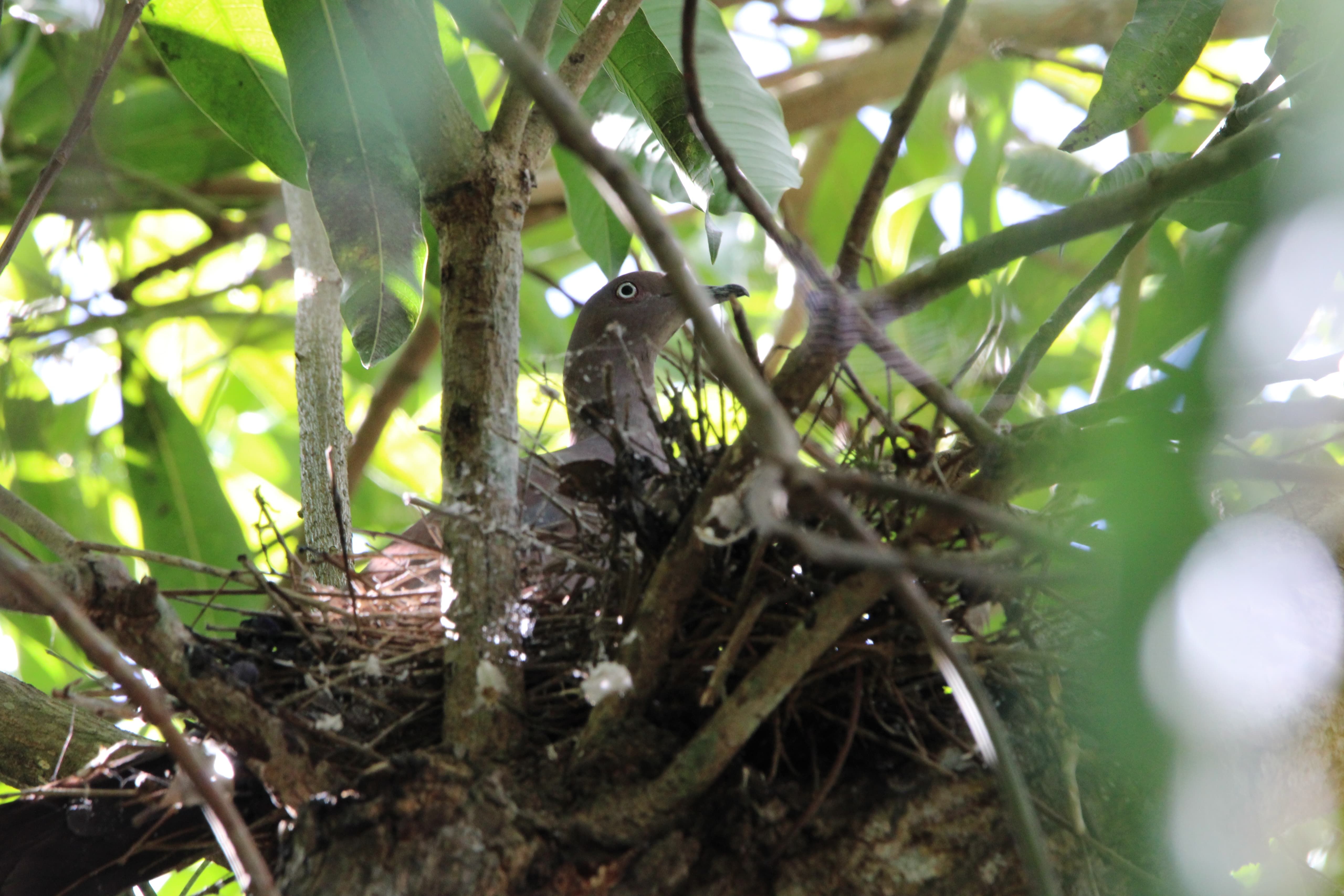
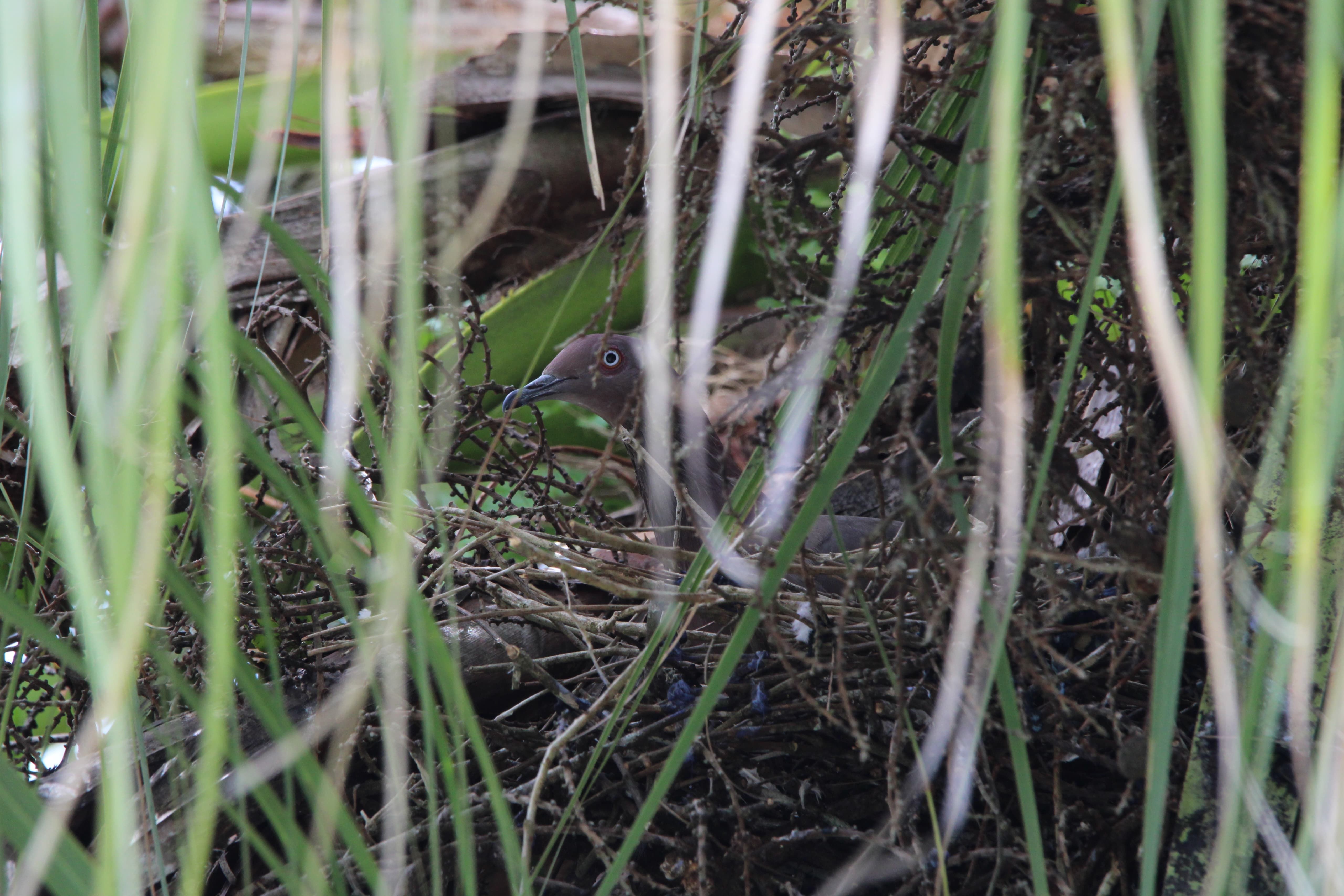
Nest monitoring: We identify and monitor Puerto Rican Plain Pigeon nests to estimate reproductive success, document the causes of nest failure, and better understand the factors limiting the recruitment of new individuals into the population.
Population surveys: We conduct standardized counts in areas where the species occurs to estimate its abundance and distribution and assess changes in population size over time.
Invasive species control: We reduce the presence of green iguanas (Iguana iguana) and rats (Rattus spp.) around nesting areas to decrease the risk of predation and increase the likelihood of reproductive success.
Survival and habitat-use studies: We capture individuals and use radio telemetry to study their movements, habitat use, and survival. This information allows us to identify important nesting, feeding, and resting areas, as well as movement corridors and other priority areas for conservation.
Context
The Puerto Rican Plain Pigeon (Patagioenas inornata wetmorei) experienced a marked population decline during the twentieth century as a result of deforestation, habitat loss and fragmentation, hunting, and predation. By 1963, only 52 individuals had been documented in Cidra. With the recovery of secondary forests and abandoned agricultural lands, the population increased over the following decades, reaching an estimated peak of more than 31,000 individuals in 1998. However, this progress was severely affected by extreme weather events. Following Hurricanes Irma and Maria in 2017, the population declined to approximately 550 individuals, and the most recent estimate for its core population in east-central Puerto Rico is just 407 ± 125 individuals.
Currently, Puerto Rican Plain Pigeon breeding remains concentrated in east-central Puerto Rico, where much of the population uses secondary forests and fragmented habitats near agricultural and urban areas. Its recovery is limited by habitat loss and modification, nest predation, the presence of invasive species such as rats and green iguanas, and its low reproductive capacity, as the species typically lays only one egg per nest. Hurricanes pose a particularly serious threat because of the population’s small size and limited distribution. The most recent U.S. Fish and Wildlife Service 5-Year Status Review concluded that the species remains endangered and recommended, among other actions, strengthening predator control, protecting and restoring habitats, continuing population surveys, and using radio telemetry to understand its movements and the connectivity among forested areas. These recommendations directly align with the actions CRCD is currently implementing to support the species’ recovery.
Currently, CRCD leads conservation efforts for these species, implementing and improving these measures while working to restore and protect their habitats.